
Toxic cycles do not begin in one day, and they do not end by accident. They are patterns—patterns of thinking, speaking, reacting, and choosing—that repeat themselves over time. These cycles can exist in families, relationships, finances, emotions, and even spiritual lives. If not addressed, they continue from one season to another and from one generation to another.
As people of faith, we are not called to live in cycles of pain, confusion, and defeat. We are called to walk in freedom, clarity, and victory. The power to break toxic cycles does not come from willpower alone—it comes from wisdom, truth, and obedience to God.
“Do not conform to the pattern of this world, but be transformed by the renewing of your mind.” – Romans 12:2 (NIV)
This transformation is not surface-level. It is deep, intentional, and consistent. It requires us to confront what has been normalized and replace it with what is right.
Understanding Toxic Cycles in Daily Life
Recognizing Repeating Patterns That Destroy Growth
A toxic cycle is any repeated behavior or mindset that produces negative results. It can be seen in:
- Repeated unhealthy relationships
- Constant financial struggles caused by poor habits
- Emotional reactions such as anger, fear, or jealousy
- Negative thinking patterns that limit progress
- Spiritual inconsistency and lack of discipline
These cycles are often hidden under excuses, habits, or past experiences. Many people live in them without realizing that they are repeating the same outcomes.
“As a dog returns to its vomit, so fools repeat their folly.” – Proverbs 26:11 (NIV)
Wisdom begins when we stop blaming circumstances and start identifying patterns.
How Toxic Cycles Are Formed
Toxic cycles are formed through:
- Learned behavior from family or environment
- Unhealed emotional wounds
- Wrong beliefs about self and life
- Fear-based decisions
- Lack of discipline and accountability
Over time, these patterns become comfortable, even when they are harmful. What is repeated often becomes normal.
The Role of Wisdom in Breaking Toxic Cycles
Choosing Wisdom Over Emotion
Breaking cycles requires decision-making that is not driven by feelings. Emotions change, but truth remains constant. Wisdom allows us to respond instead of react.
“The wise in heart accept commands, but a chattering fool comes to ruin.” – Proverbs 10:8 (NIV)
Wisdom helps us pause, think, and choose a different path even when it feels uncomfortable.
Applying Godly Principles Daily
Wisdom is not just knowledge. It is applied truth. It is choosing what is right even when it is difficult.
“Be doers of the word, and not hearers only.” – James 1:22 (ESV)
Every time we apply truth, we weaken the cycle. Every time we choose discipline over impulse, we create a new pattern.
Renewing the Mind to Break Old Patterns
Replacing Wrong Thinking with Truth
Every toxic cycle begins in the mind. Before actions change, thoughts must change. If we continue thinking the same way, we will continue living the same way.
“For as he thinks in his heart, so is he.” – Proverbs 23:7 (NKJV)
To renew the mind:
- Identify negative thoughts
- Replace them with scripture
- Speak truth consistently
- Avoid environments that reinforce negativity
Speaking Life Instead of Negativity
Words reinforce patterns. What we say shapes what we believe and what we experience.
“The tongue has the power of life and death.” – Proverbs 18:21 (NIV)
Instead of speaking:
- “I always fail”
- “Nothing works for me”
- “I can’t change”
We speak:
- “I am growing and improving daily”
- “God is helping me change”
- “I am not controlled by my past”
Setting Boundaries to End Toxic Cycles
Protecting Your Peace and Purpose
Many toxic cycles continue because there are no boundaries. Boundaries are not rejection—they are protection.
“Above all else, guard your heart, for everything you do flows from it.” – Proverbs 4:23 (NIV)
Boundaries may include:
- Limiting time with negative people
- Saying no without guilt
- Walking away from unhealthy environments
- Refusing to engage in harmful conversations
Walking Away When Necessary
Not every situation can be fixed. Some cycles end when we remove ourselves from what feeds them.
“Bad company corrupts good character.” – 1 Corinthians 15:33 (NIV)
Walking away is not weakness. It is wisdom.
Healing the Root Causes of Toxic Patterns
Addressing Emotional Wounds
Many cycles are rooted in pain—rejection, betrayal, abandonment, or failure. If the wound is not healed, the pattern continues.
“He heals the brokenhearted and binds up their wounds.” – Psalm 147:3 (NIV)
Healing requires:
- Acknowledging the pain
- Bringing it to God in prayer
- Letting go of bitterness
- Choosing forgiveness
Letting Go of the Past
We cannot move forward while holding onto past pain. Letting go is not forgetting—it is releasing control.
“Forget the former things; do not dwell on the past.” – Isaiah 43:18 (NIV)
Building New Habits That Replace Old Cycles
Creating Consistent Positive Actions
Breaking a cycle is not enough—we must replace it. New habits create new outcomes.
Examples of positive habits:
- Daily prayer and reflection
- Reading and applying scripture
- Practicing gratitude
- Managing time wisely
- Taking responsibility for actions
“Whoever is faithful in very little is also faithful in much.” – Luke 16:10 (NIV)
Consistency builds transformation.
Discipline Over Motivation
Motivation comes and goes. Discipline stays. Change happens when we act even when we do not feel like it.
“No discipline seems pleasant at the time, but painful. Later on, however, it produces a harvest of righteousness and peace.” – Hebrews 12:11 (NIV)
Surrounding Yourself with the Right Influence
Choosing Wise Counsel
The people around us influence our decisions, mindset, and behavior. To break toxic cycles, we must choose environments that support growth.
“Walk with the wise and become wise.” – Proverbs 13:20 (NIV)
Seek:
- Mentors who guide with truth
- Friends who encourage growth
- Communities that support discipline
Avoiding Negative Influence
Some relationships keep cycles alive. Distance may be necessary for growth.
Taking Responsibility for Change
Owning Your Choices
Change begins when we take responsibility. Blaming others keeps us stuck. Ownership moves us forward.
“Each one should carry their own load.” – Galatians 6:5 (NIV)
We ask:
- What am I repeating?
- What must I change?
- What decision can I make today?
Committing to Growth Daily
Transformation is not instant. It is daily. Small decisions lead to big results over time.
Trusting God in the Process of Transformation
Relying on God’s Strength
Breaking cycles can be difficult. There will be moments of struggle, but we are not alone.
“I can do all things through Christ who strengthens me.” – Philippians 4:13 (NKJV)
God provides strength, guidance, and grace for every step.
Walking in Newness of Life
Once we begin to break cycles, we must walk in the new life we have received.
“Therefore, if anyone is in Christ, the new creation has come: The old has gone, the new is here!” – 2 Corinthians 5:17 (NIV)
We are not defined by our past patterns. We are defined by who we are becoming.
Conclusion: Living Free from Toxic Cycles
Ending toxic cycles requires awareness, wisdom, discipline, healing, and faith. It is a journey of transformation that affects every area of life. As we choose truth over lies, discipline over comfort, and faith over fear, we begin to experience real change.
We are not called to repeat what harmed us. We are called to rise above it, learn from it, and create a new path.
“So if the Son sets you free, you will be free indeed.” – John 8:36 (NIV)
Freedom is possible. Change is possible. A new life is possible.
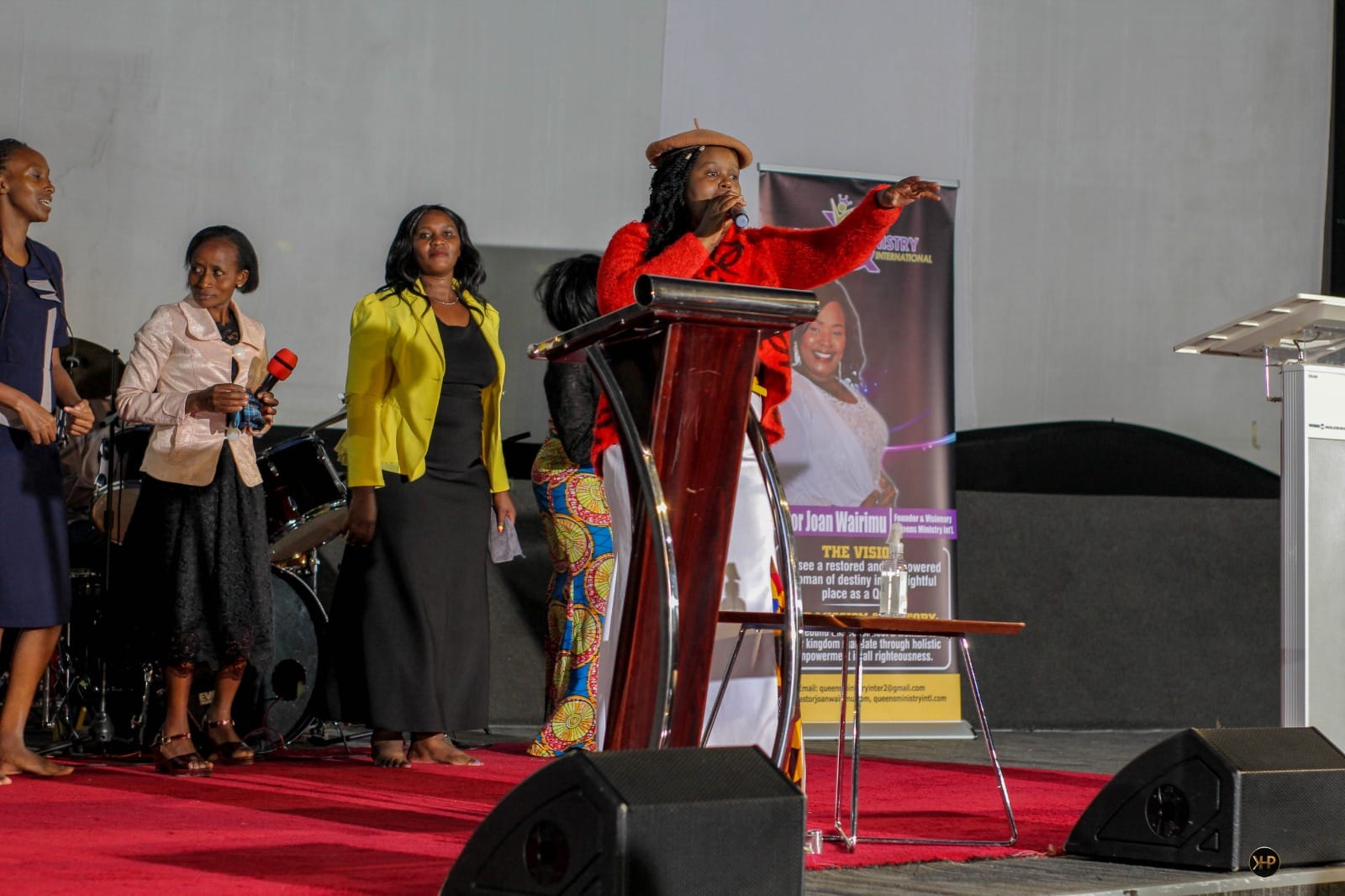
Welcome to Queens Ministry International, a haven of faith, love, and empowerment. Our mission is to rebuild and reconnect a woman to their kingdom mandate through holistic empowerment in all righteousness. Join us in creating a world brimming with compassion and transformation. Contact us to be part of our uplifting community. Connect with us on our Facebook Page for the latest updates and inspiration. Discover the heart of our ministry, where hope thrives, and individuals shine.