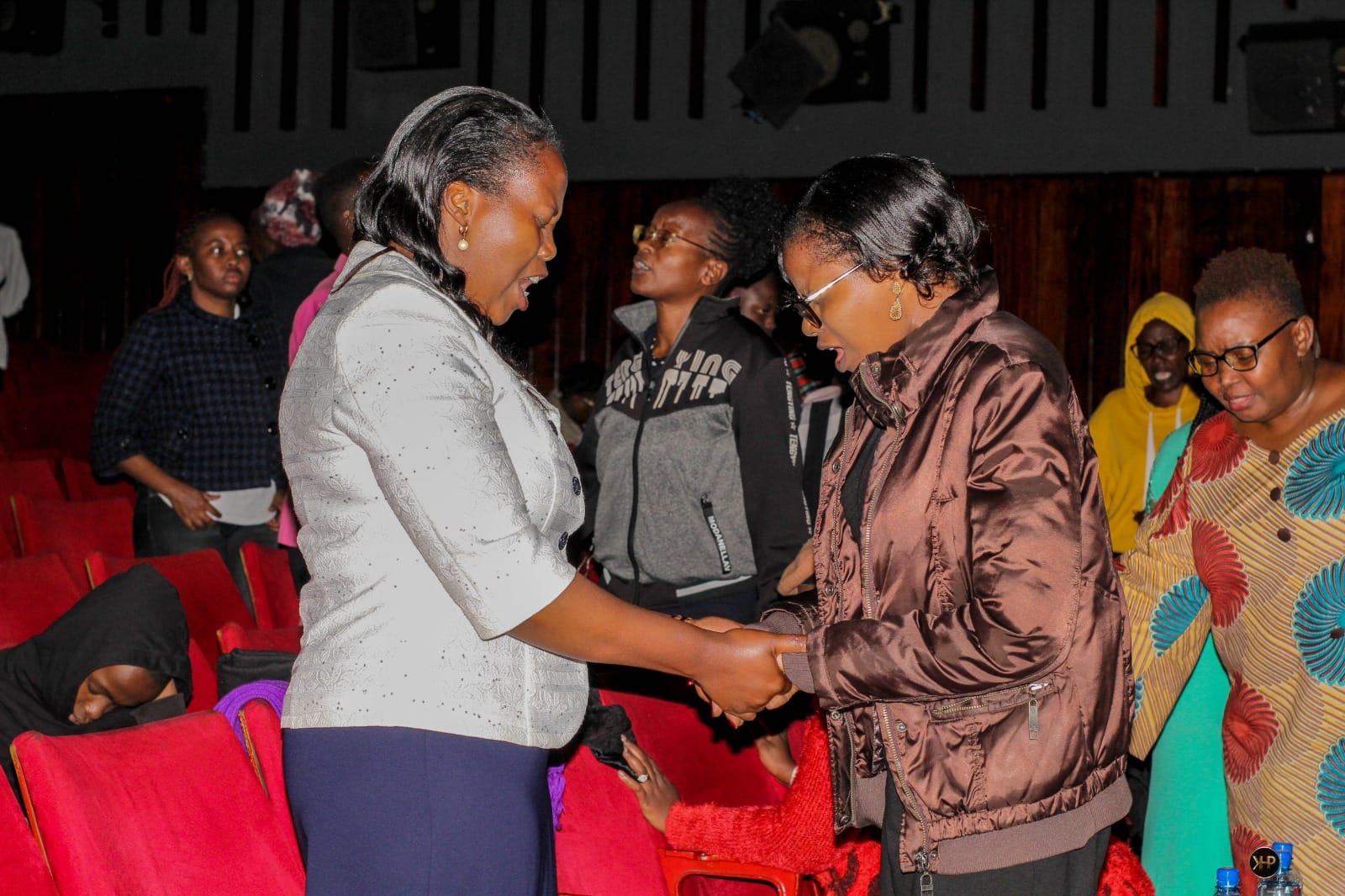

A woman’s words can bring comfort, build trust, teach wisdom, and help her family face difficult days. In everyday conversations, we have opportunities to make our homes places where people feel valued and heard. The words spoken over breakfast, during a disagreement, or before bedtime can leave a lasting impression.
This influence does not mean a woman carries the entire responsibility for her family’s happiness. Every person is responsible for their own behavior. Husbands, wives, children, and other family members all contribute to the atmosphere of a home. Yet when we consider the power of a woman’s words in her home, we recognize a meaningful opportunity to practice faith through daily speech.
The Bible gives us guidance for using this influence wisely. It encourages us to speak with kindness, listen with patience, correct with love, and tell the truth. Through these habits, we can strengthen our relationships without pretending that family life is always easy.
What Does the Bible Say About a Woman Building Her Home?
“Every wise woman buildeth her house: but the foolish plucketh it down with her hands.” — Proverbs 14:1, KJV
This verse invites us to consider how our choices affect the people closest to us. Building a home involves more than providing food, arranging rooms, or meeting daily needs. It also includes developing trust, showing respect, and creating space for honest conversation.
We help build our homes when our words guide rather than shame. We strengthen relationships when we acknowledge effort, keep our promises, and discuss problems without attacking another person’s worth.
For example, a forgotten task may need attention. Saying, “We agreed this would be done today. When can we finish it?” addresses the issue clearly. Saying, “We can never depend on you,” turns one mistake into a judgment about someone’s whole character.
Wise speech deals with the problem while protecting the dignity of the person. This approach allows us to remain firm without becoming cruel.
How a Woman’s Words Shape the Atmosphere of Her Home
The atmosphere of a home develops through repeated experiences. When family members regularly hear insults, harsh criticism, or threats, they may become afraid to speak honestly. When they experience respectful conversations, they have more reason to believe that difficult subjects can be discussed safely.
We cannot prevent every disagreement. We can, however, consider what our usual way of speaking teaches others to expect.
Do our questions invite conversation or sound like accusations? Do we notice what others do well? When someone admits a mistake, do we listen before responding?
Even simple expressions can help establish a warmer atmosphere:
- “Thank you for helping.”
- “We can talk about what happened.”
- “Your feelings matter, even when we disagree.”
- “Let us work out the next step together.”
These words become meaningful when our actions support them. An invitation to speak openly must be followed by a willingness to listen. A promise to help must lead to practical support.
Using Words to Strengthen a Marriage
In marriage, daily speech can either support connection or create distance. Discussions about money, work, children, and household responsibilities often happen when both people are tired. Under pressure, we may express a genuine concern in a way that makes cooperation harder.
Respectful communication in marriage requires honesty and care from both spouses. A wife should be able to express her needs, concerns, and disagreements. Her voice deserves the same attention and respect that she gives her husband.
Express Needs Clearly Without Personal Attacks
A clear request gives a conversation direction. For example, “I am struggling to manage dinner and homework alone. Can we divide these tasks?” identifies a need and invites a practical response.
By comparison, “You never care about this family,” makes a broad accusation. The discussion may then become an argument about whether the accusation is fair, while the original problem remains unresolved.
We can speak firmly by naming what happened, explaining its effect, and asking for a specific change. Clarity helps us address the issue without adding unnecessary injury.
Recognize Effort and Show Appreciation
Appreciation should be honest and specific. We can acknowledge a thoughtful decision, a completed responsibility, or support during a demanding week.
Saying, “Thank you for listening when I was worried,” explains what mattered. It also reminds us to notice care that might otherwise become familiar and overlooked.
Gratitude does not remove the need for fair responsibilities or difficult conversations. It helps us recognize what is good while continuing to work on what needs improvement.
Speaking to Children With Love and Clear Guidance
Our words help children understand expectations, mistakes, and belonging. When correcting them, we need to make clear that a wrong action does not remove their value.
There is a meaningful difference between “That choice hurt your brother” and “You are a bad child.” The first statement identifies behavior that must change. The second places a harmful label on the child.
Loving correction combines clear limits with respect. We can explain the rule, follow through with an appropriate consequence, and help the child practice a better response.
Correct Behavior Without Humiliation
When a child spills a drink, refuses a task, or speaks rudely, our response should fit the situation. An accident may require help cleaning up. Deliberate unkindness may require a firm conversation and an opportunity to make things right.
Public embarrassment, cruel comparisons, and repeated insults do not explain how to improve. Clear instruction does.
We can say, “We do not hit. Tell us what made you angry,” or, “The homework is unfinished. Let us agree on when it will be completed.”
Encourage Effort, Honesty, and Growth
Encouragement is most useful when it recognizes something real. We can acknowledge patience, practice, courage, or truthfulness.
“I noticed that you tried again after getting it wrong” draws attention to persistence. “Thank you for telling the truth” recognizes honesty while still allowing us to address the mistake.
We also need to make room for children’s disappointment. Listening to sadness before offering advice shows that our care is not limited to moments when they perform well.
Listening Is Part of Wise Speech
“Wherefore, my beloved brethren, let every man be swift to hear, slow to speak, slow to wrath.” — James 1:19, KJV
This instruction calls us to listen quickly and respond carefully. In family life, we often hear only part of a story before deciding what it means. We may interrupt, assume a motive, or begin giving advice before understanding the concern.
Listening requires us to slow down. We can put aside a phone, allow the speaker to finish, and ask a simple question: “What was the hardest part?” or “What help do you need?”
Being heard does not mean always getting one’s way. We can understand someone’s feelings and still disagree with a decision. However, a response based on careful listening is more likely to address the real issue.
This principle applies to women as well. Healthy family communication includes space for a woman to be heard, supported, and understood.
Choosing Words That Build Up During Conflict
“Let no corrupt communication proceed out of your mouth, but that which is good to the use of edifying, that it may minister grace unto the hearers.” — Ephesians 4:29, KJV
To “edify” means to build up. This verse gives us a useful question before speaking: Will these words help the person or help resolve the situation?
Building someone up does not mean avoiding correction. A truthful warning, a clear boundary, or an honest explanation of hurt can serve another person’s good. The way we express it matters.
During an argument, we can focus on one issue instead of bringing up every past failure. We can describe what we know instead of claiming to know another person’s motives. We can avoid words such as “always” and “never” when they exaggerate the situation.
If we are too upset to speak carefully, a short pause may help. We can say, “I need a little time to settle down. Let us return to this conversation after dinner.” Returning as promised shows that the pause is meant to support the conversation.
Speaking With Faith During Difficult Seasons
Financial strain, illness, disappointment, and uncertainty can affect the way we speak at home. Fear may make us impatient. Exhaustion may cause ordinary questions to feel like criticism.
During these seasons, faithful speech can acknowledge difficulty while making room for hope.
We do not need to promise that every problem will disappear. We can say, “This situation is difficult, but we can pray, seek advice, and decide what to do next.”
Such words connect trust in God with practical action. A family facing financial pressure may need an honest budget discussion. A struggling child may need extra support. A tired parent may need rest and shared responsibilities.
Prayer can help us bring these needs before God without hiding them. We can ask for wisdom, patience, courage, and help. We can also admit, “We do not yet know the answer.”
Kind Words and Healthy Boundaries Belong Together
A woman’s commitment to gracious speech should not require her to accept disrespect or remain silent about harm. Kindness includes telling the truth about what is unacceptable.
We can set a boundary in clear language: “I am willing to discuss this, but I will not continue while I am being insulted.” We can also challenge unfair expectations and ask for necessary changes.
Peace in a home requires more than the absence of open disagreement. It requires room for honest concerns and responsible behavior. A woman cannot create that alone through carefully chosen words.
Threats, violence, and controlling behavior are the responsibility of the person choosing them. They should never be blamed on a woman’s tone, silence, or failure to encourage. Seeking help when needed is consistent with valuing the people in a home, including ourselves.
How to Repair the Damage After Speaking Harshly
We will not handle every conversation well. There will be moments when we interrupt, speak unfairly, or use a tone we regret. What we do afterward matters.
A useful apology names the wrong plainly: “I spoke harshly. That was wrong, and I am sorry.” It does not shift responsibility by adding, “But you made me angry.”
We can then listen to how our words affected the other person. If needed, we can correct what we said: “I said you never help. That was unfair. I was upset about one unfinished task.”
Repair also requires a change in behavior. We may need to pause sooner, discuss responsibilities more clearly, or stop using a hurtful phrase.
When we apologize to children, we demonstrate that adults are accountable too. We show them that taking responsibility is part of maturity.
Daily Habits That Help a Woman Speak With Wisdom
Wise speech becomes more consistent through small, repeated choices. We can begin with a few habits that fit ordinary family life.
Start the day with a respectful greeting. Before discussing tasks or problems, acknowledge the people around us.
Make requests specific. Explain what needs to happen and when, instead of expecting others to guess.
Notice something worth appreciating. Recognize real effort without exaggeration or comparison.
Choose the right time for serious conversations. Whenever possible, discuss sensitive matters when there is enough privacy and attention.
Reflect on difficult moments. Consider what triggered a harsh response and what might help next time.
Ask God for help with our speech. Prayer keeps our attention on the need for wisdom, humility, and self-control.
These habits do not demand perfect words every hour. They encourage a steady pattern of respect, honesty, and care.
A Prayer for Wise Words in Our Homes
Heavenly Father, guide the words we speak in our homes. Help us listen before answering and tell the truth with love. Give us patience when we are tired and wisdom when we face difficult conversations.
Teach us to encourage without pretending, correct without humiliating, and set boundaries with courage. Help us recognize when our words have caused pain and take responsibility without excuses.
May our speech reflect Your kindness. Help every member of our families grow in respect, honesty, and love. Let our homes become places where we can learn, receive support, and practice forgiveness. In Jesus’ name, Amen.
Building a Home Through Words of Wisdom and Love
The power of a woman’s words in her home is expressed through everyday moments of influence. A clear request can prevent confusion. A patient answer can make room for honesty. An apology can begin repairing trust. A loving correction can guide a child toward a better choice.
We do not need to deliver a perfect speech to make a meaningful difference. We can begin with the next conversation: listening fully, choosing accurate words, and treating the person before us with dignity.
As we practice these choices, we contribute to a home where truth can be spoken, concerns can be heard, and love is expressed in daily life.
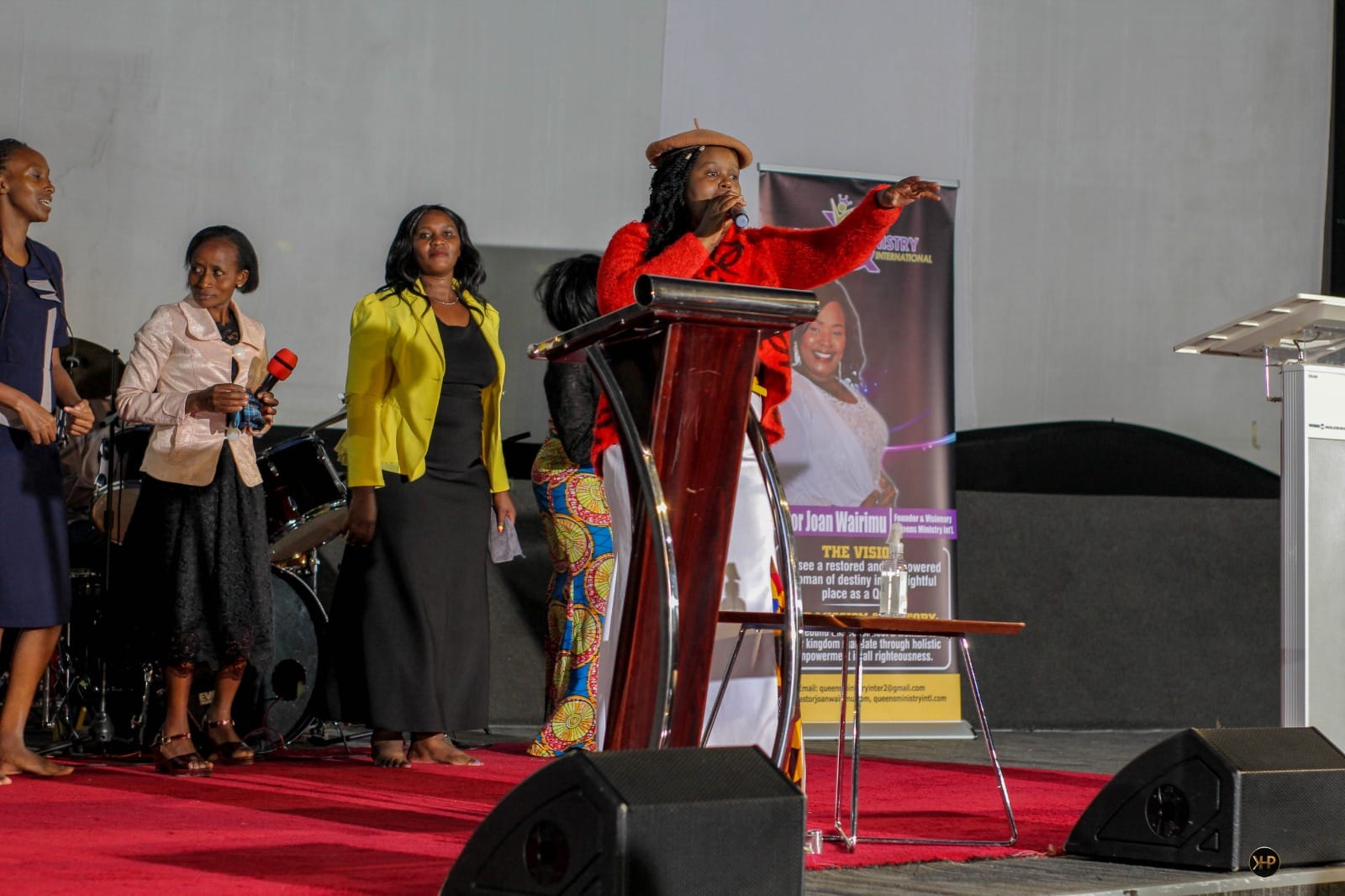
Welcome to Queens Ministry International, a haven of faith, love, and empowerment. Our mission is to rebuild and reconnect a woman to their kingdom mandate through holistic empowerment in all righteousness. Join us in creating a world brimming with compassion and transformation. Contact us to be part of our uplifting community. Connect with us on our Facebook Page for the latest updates and inspiration. Discover the heart of our ministry, where hope thrives, and individuals shine.